
As I wrote in my previous article we have seen massive changes over the past couple of decades in the fish quality, numbers and species around our West Cumbrian shores. The huge shoals of pouting have disappeared, the cod stocks have diminished in both quantity and size. The prolific flounder fishing that was enjoyed at Silloth has steadily deteriorated over the years, with very few flounders now showing. I think there are other reasons that play their part in that, not just overfishing, and I will allude to it in a later article. There is some good news however in that the reduction in these fish has partially been filled with other exciting species!
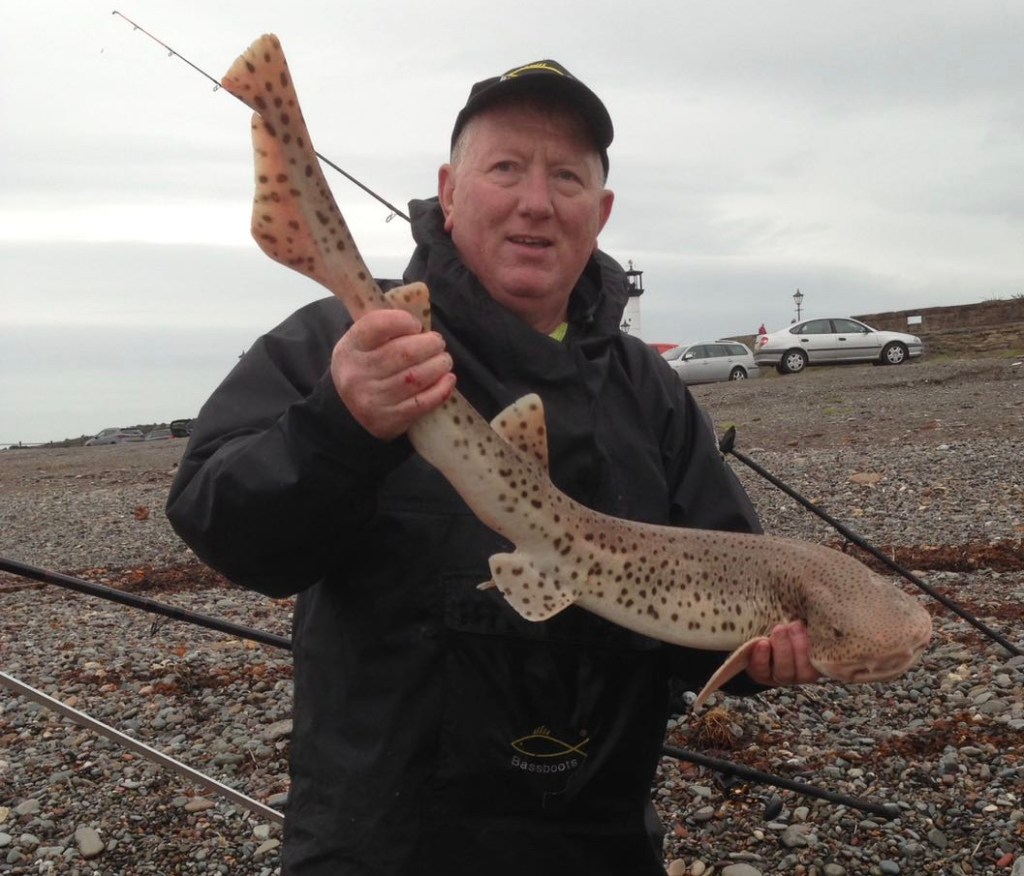
In the past 10 years the Cumbrian coastline has seen an explosion of lesser spotted dogfish, also know in other countries as the cat shark. During some periods of the year there are huge numbers feeding off our coast. This small member of the shark family is not everyone’s cup of tea and is seen as a pest when fishing for more desirable species. I personally enjoy catching ‘doggies’ especially in fishing competitions where in ‘catch, measure and release’ matches you can quickly rack up a high score with a number of them. Another member of the dogfish family that is increasingly showing an appearance, is the gladiatorial bullhuss! This muscle bound marauder is now regularly showing up at Drigg, St Bees Head, Whitehaven West Pier, and Silloth. I personally caught my first bullhuss in Cumbria, a double figured fish from Grasslot Beach at Maryport.
The bass fishing over the past 15 years has improved fantastically, with some excellent sized specimens caught regularly all along the Cumbrian coast. Promisingly there is a healthy stock of smaller fish in the schoolie and the bigger 3-6lbs range showing throughout the summer and autumn months. A number of years ago they were quite localised. Now they are caught everywhere along the county coastline. I have personally caught them on most of the beaches I regularly fish.
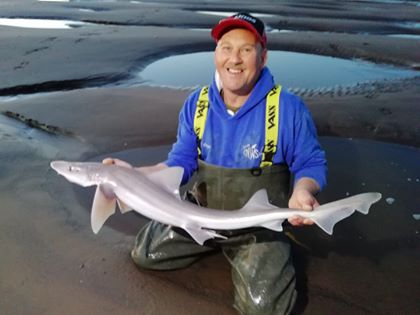
Probably the most exciting species to start patrolling our beaches in the past few years is the smoothound. This turbo powered species shows up on numerous beaches from the south to the north of the county. No longer a fish that you have to travel outside the county to catch. As soon as the crabs start moulting they appear, providing excellent sport with big double figure fish being a common feature on our beaches. Anglers have had some good numbers particularly around the Drigg and Silloth beaches. Nigel Pape’s 16lbs 10oz smoothound pictured below was caught in a 11 fish session in the summer of 2019, where he caught three other double figured fish the next best being 15lbs 4oz. Nigel quoted: “It was a session of a lifetime”. You bet it was Nigel, fantastic fishing!
Another species that is popular with most anglers is the thornback ray. This species started turning up all along our coastline a number of years ago. They seemed to have increased in number since the erection of the wind farms in the Solway Firth. The restrictions to commercial fishing in the wind farm areas, appear to have helped the fish thrive! They were always caught in the boats, but now they are so numerous they are regularly caught on a number of our beaches and piers. Again Silloth is proving a hotspot for this species along with Whitehaven West Pier and St Bees Head. All turning up big female specimens into double figures.
Sizeable whiting were notable by their absence for a long time. Over the last couple of years it’s very encouraging to see they are making a comeback. This year has been particularly promising with some very good sized fish being caught. A quality example can be seen in the photo of Maryport angler Ben Sheppard with a 39cm fish caught at high water off Netherton Beach. This was the best of a number of 30cm plus whiting caught that day by Maryport Sea Angling Club members. You may have seen some photos this past winter on local FB sites of some big whiting caught off the boats around the Whitehaven area as well. Promising signs for the future.

I personally believe that in Cumbria we have some fantastic fishing. We still have some codling show every winter, they are however arriving later in the year. Once upon a time the codling would start appearing in the right conditions from September each year, now it is more than likely you will not start catching them in any numbers until November. In the last few years the average size of the fish appears to have improved. There has been more fish in the 5-8lbs bracket being caught, which is promising for the future. The numbers are still down massively on the previous decades and I cannot see that improve with the current commercial fishing policies the EU and government have in place.
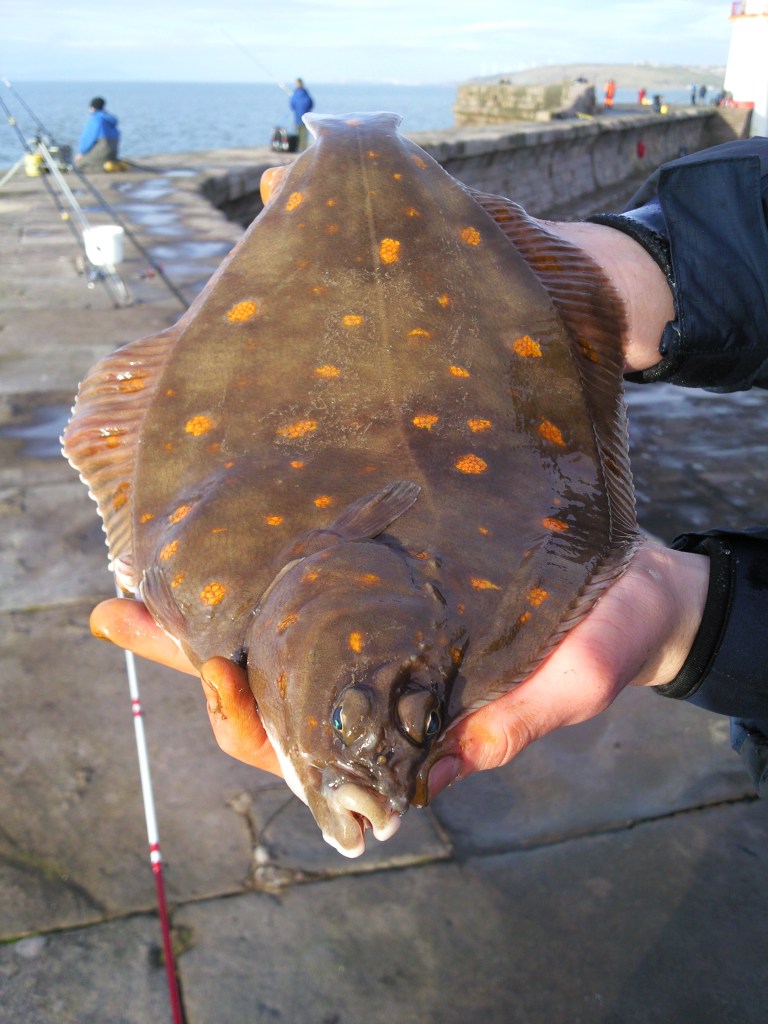
The spring starts with the first of the plaice showing in February or March dependant on the weather conditions. A calm period for a couple of weeks in February will start them off inshore early. Generally they are small fish, but some marks can turn up these spotted beauties up to 4lbs in weight. As stated earlier the flounder fishing at Silloth and also Arnside has deteriorated from earlier years, but Port Carlisle can provide good sport with decent numbers of quality fish. The crab moult in May heralds the arrival of the thornbacks and smoothounds, which can provide some outstanding fishing. We must however take care with these fish and ensure they are returned with care.
The Cumbrian traditional cod fishing is nowhere near what it used to be, but other species have filled that void albeit maybe not in the winter season. If you fish for the table, the cod, whiting and plaice are not there in the numbers and size of the past, but if like myself you generally follow ‘catch and release’ then there is great sport to be had with other species. I enjoy the competitive buzz fishing my local club and open competitions generates. I see some excellent anglers, both locals and anglers from other parts of the UK. The big difference I note between these anglers and general pleasure anglers is that the competitive match anglers target the fish that they know are likely to be caught and not the fish they would like to catch! I fully understand a lot of anglers love to take fish home to eat and therefore hope to catch the larger species. They tend to use larger baits, bigger hooks and heavier rods and lines. So often miss out on catching some of the smaller fish and often are not interested in targeting them. I personally have learned over the past number of years by scaling my tackle down on a lot of venues, using lighter lines, smaller hooks and continental type rods I can get great pleasure and sport catching these smaller fish. The difference catching a 35-40cm flounder on a light continental rod from a heavy beach caster is hugely more sporting. I have also landed some big fish on these light rods including bass and thornback rays, which can be fantastic heart pumping sport. I remain optimistic for the recreational angling around our Cumbrian coast, hopefully with conservation, rather than mere profit in mind… Brexit may help in better commercial management of our waters. Our fish stocks may make the recovery that can sustain both the commercial fishermen and the recreational angler.
 My Fishing Passion