
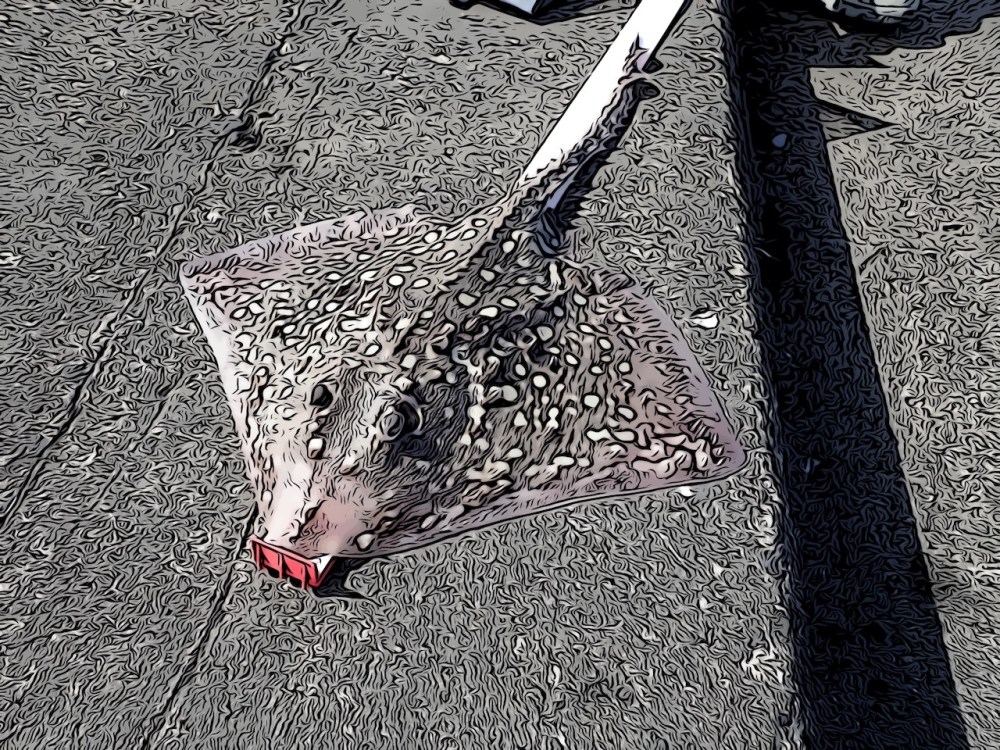

The Plaice arrived around February/March and the fantastic weather we’ve had during this spring, frustratingly it has been ideal for catching this beautiful fish. Not a hard fighting fish, but there is something special and exciting seeing this fish with its bright orange spots in gin clear water slide onto the sand. If you are lucky enough to catch a specimen sized fish of any species it is something special, but the one species I would particularly be absolutely thrilled to catch is a specimen Plaice! Locally I must make the effort to fish WhiteHaven small pier more up to June when a stonker up to 4lbs can be caught. July and August are quieter months, but September to October if calm seas prevail can see them be caught again in numbers, the spring run however is the best time to target them.
Alongside the plaice the humble Flounder starts to show in both numbers and size. This fish in my opinion is massively underrated as a hard fighting fish! Caught on the right rod such as a light continental, bass or even spinning rod theses flatfish put up a great fight and return well to the water. Port Carlisle is now probably the best Flounder mark in the county still turning in some great fishing after a couple of years in the doldrums. About 4 years ago the River Eden channel of the estuary moved further north towards the Scottish side joining the main course of the River Esk. Personally I think this resulted in the tidal bore and flooding tide water pushing the Flounders up this main channel, resulting in fewer fish spilling over the channel sides and coming onto the mud and sand of the southern Port Carlisle area. The tidal bore is quite a sight! The bore wave can be seen and the roar heard announcing the powerful tide pushing up the estuary. I have seen surfers riding it in the past. Approximately 2 years ago the River Eden channel moved back further south and is now clearly visible nearer the Port Carlisle bank. The flounder fishing has improved since then, probably due to the bore wave and flooding tide pushing the flounders up the channel closer within fishing range. The pleasure and match fishing catches have definitely improved since the main channel has re-alighted itself. ‘Catch, measure and release’ matches have recording catches of up to 20 fish in 3.5 hours and quality fish to 44cm length, great fishing by any standard. Port Carlisle is predominately an ‘out and out’ flounder venue, but other species do get caught occasionally. Local angler Dave Bell caught a Lesser Spotted Dogfish in a match and on a number of occasions Bass have been caught, along with Sea Trout, which have a particular liking for peeler crab! There also are numbers of Grey Mullet, which can show close in around the grassy bank at high water and if targeted around the old dock area can be caught. Some of the local readers of the blog will possibly know that ‘Haaf Netting’ for Salmon and Sea Trout has been carried out at Port Carlisle for centuries, thought to be first introduced to Britain by the Viking’s. A friend has relatives in the Port Carlisle area who have haaf netted the estuary in the past, once showed me a photograph from the 70s of a Tuna fish that they had caught in the Haaf net! I will try to get a copy of the picture and add it to the article at a later date.
One of the other popular species that start appearing in numbers as the crab moult gets into full swing is the Thornback Ray. Excellent sized fish into double figures are caught mainly from St Bees Head, Whitehaven West Pier, Dubmill Point and Silloth. However they can turn up on any of the sandy beaches. If you are fishing from Whitehaven West Pier or Silloth Promenade please go to the pier steps and promenade lifeboat slip when returning them. They do not survive the drop back into the water. That said all fish should be returned this way.
The other species that is a connoisseur of crab is the Smoothound. They arrive scouring the local beaches for crab around the same time as the rays. Drigg and Silloth are the best areas to fish, but they are also caught around Dubmill Point area and off the northern pier at Maryport at times. If you are fishing crab baits in May onwards I would consider leaving your reel in free spool/drag off or stay close to your rod. This extremely strong shark can easily pull your rod into the surf and it could turn out to be an expensive trip, as some anglers have found out! Fish to 15lbs are commonly caught on crab and squid baits.
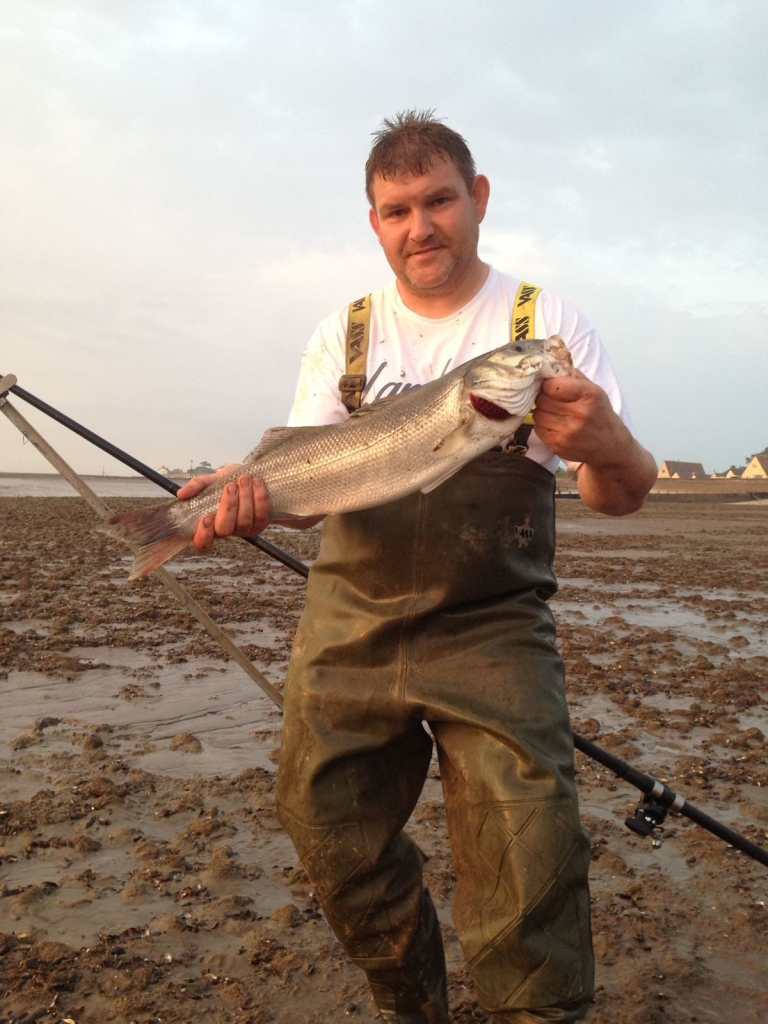
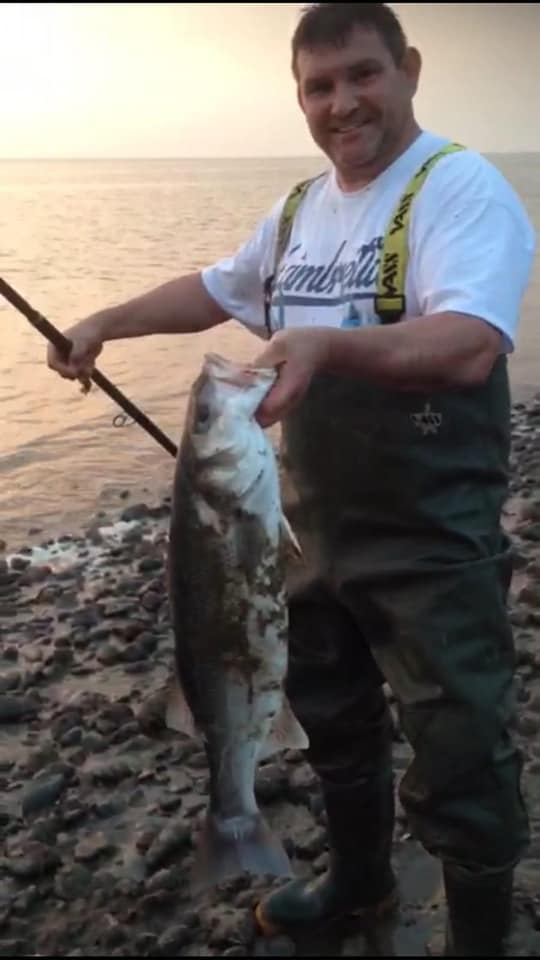
Last but not least we have the rightly highly esteemed Bass! These fabulous fish as mentioned in an earlier post are now common all across the county coastline. They start to appear in May particularly if the weather is settled. They are again a lover of the moulting crab, this bait catches a lot of them. I feel sorry for the humble shore crab everything that swims sees them as a delicacy in one form or another! The Bass show as late as November if we do not get prolonged periods of rough seas. Some of the bigger fish are often caught by young anglers in the later months of September and October from Whitehaven Piers. The young anglers tend to fish close in to the pier walls and there have been some cracking fish caught in the 10-14lbs range in the past. I think the older anglers try casting to the horizon when fish are often just at your feet! I am at fault for this at times. I remember one day fishing on the rocks at Harrington with a couple of fishing mates and my son Kieran, who would only be 10 years old at the time. Kieran was only casting about 25 yards maximum, the rest of us casting as far as we could. We had a couple of Cod each, but Kieran had the best fish of the day a Cod about 5lbs in weight! The other thing that stood out that session, was a flat calm sea in bright sunshine. I have found that the best baits for these silver beauty’s are crab, rag worm and blow lugworm.
All in all the period May to October can throw up some fantastic fishing, particularly if you target both the species and location. I speak to anglers who struggle to catch at times and quite often what the problem is the locations they fish and their bait. Pier fishing can limit some of the species you catch and often the larger fish can come off the beaches, particularly fishing low water marks. I know it is hard for anglers with limited mobility who find piers more comfortable and manageable, but try to get the best quality baits you can. This will maximises your chances of catching some great fish. Tight lines and hopefully we will get out and catch those fish soon. Stay Safe!
 My Fishing Passion